Comparison · Thailand, Malaysia, Singapore, Vietnam, Indonesia, Cambodia
Southeast Asia in 2027: Where Should You Actually Move?
Six countries, six very different lifestyles, and one big decision. Here's how to find the right fit.
Read on SojournHubalso on Substack
- Author
- Matthew Silvester
- Reviewed by
- Matthew Silvester
- Published
- 10/11/2026
- Updated
- No substantive update
- Sources checked
- 10/11/2026
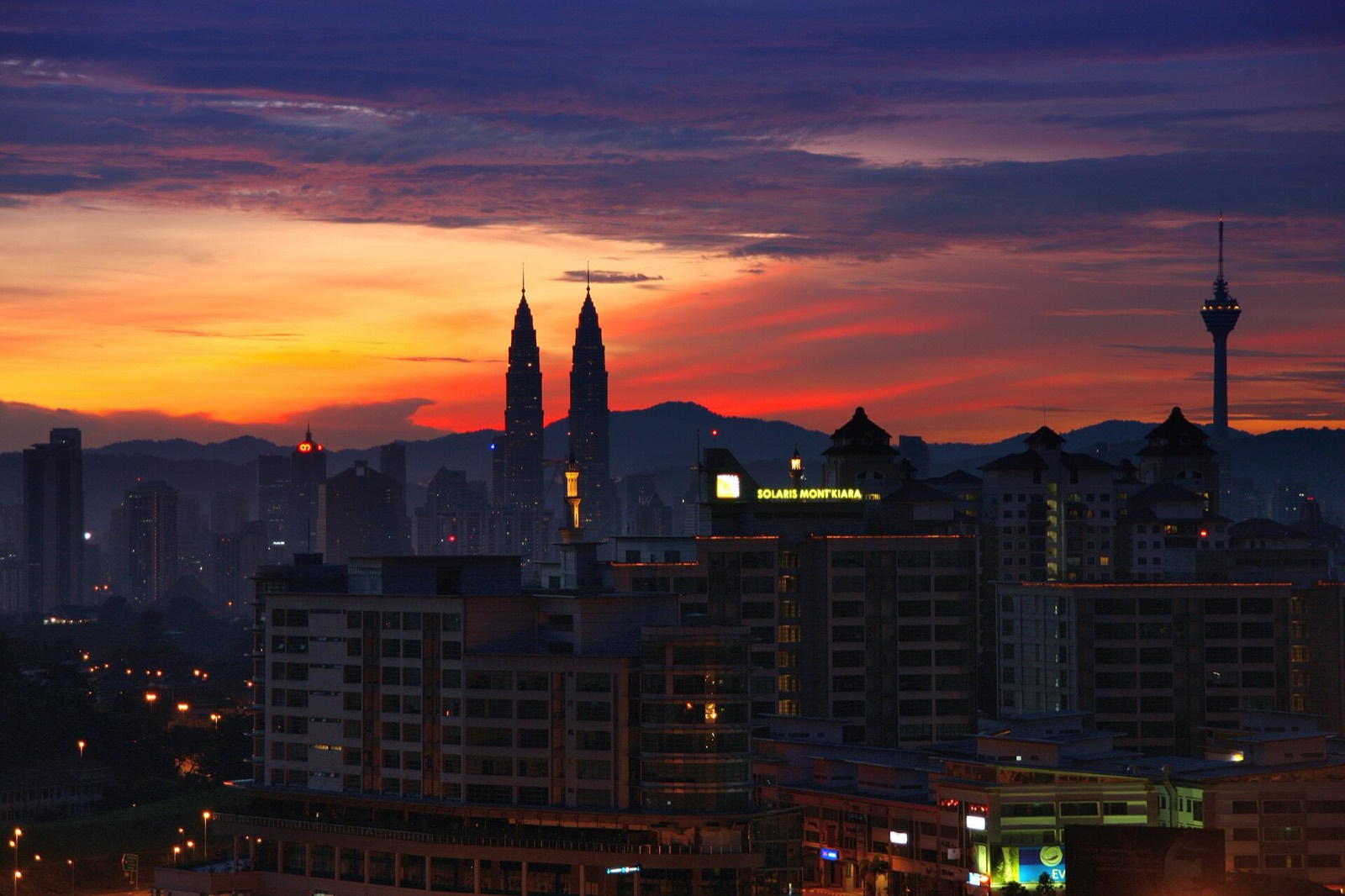

There's a particular moment when moving abroad stops being a daydream and starts feeling like a real possibility. Perhaps it's another grey Monday morning. Maybe it's the cost of living back home. Or perhaps you've just returned from two weeks in Thailand and caught yourself wondering: what if we didn't have to leave? Southeast Asia has plenty to offer: tropical coastlines, international cities, diverse cultures and the chance to build a different kind of life. But choosing where to live is very different from choosing where to spend a holiday. Let's look at six countries worth considering.
Malaysia: the comfortable all-rounder
Malaysia deserves serious consideration if you're looking for a balance between modern infrastructure, multicultural living and long-term residency options. Kuala Lumpur offers big-city living, while Penang has a distinctive mix of heritage, coastal life and urban conveniences. Johor Bahru is another option, particularly for people with connections to Singapore. Malaysia's federal Malaysia My Second Home (MM2H) programme offers several long-stay categories. The government's published framework includes Silver, Gold, Platinum and a Special Economic Zone/Special Financial Zone category. The appeal: a choice of urban and coastal lifestyles, English commonly used in many professional settings, and established international communities. The trade-off: some long-stay routes involve significant fixed deposits and property commitments. Being able to afford daily life in Malaysia doesn't automatically mean you can afford the visa. Malaysia is particularly worth exploring for families, retirees and people wanting a relatively settled lifestyle.
Thailand: lifestyle with plenty of variety
Thailand can feel like several countries rolled into one. Bangkok offers high-rise living and an enormous urban landscape. Chiang Mai attracts people looking for a different pace, while Phuket and other coastal destinations appeal to beach lovers. Thailand also has a broad range of immigration pathways, including the Long-Term Resident (LTR) visa, the Destination Thailand Visa (DTV), retirement categories and Thailand Privilege. These are distinct programmes with different eligibility rules and permitted activities. The appeal: geographic variety, an established international visitor economy and several visa routes. The trade-off: the visa that looks most attractive on paper may not permit what you intend to do. Working for a foreign employer, running a Thai business and retiring are not interchangeable immigration purposes. Thailand deserves a place near the top of the research list for remote workers and lifestyle-focused retirees.
Singapore: the business-minded choice
For people prioritising business infrastructure, regulatory clarity and international connectivity, Singapore warrants close attention. But there's an important distinction between setting up a Singapore company and getting permission to live there. Singapore's Accounting and Corporate Regulatory Authority (ACRA) states that foreigners must use a Corporate Service Provider to register a business, must meet the local-resident director requirement, and need an appropriate work pass if they intend to relocate to run the business. The appeal: a well-developed corporate and regulatory environment. The trade-off: immigration eligibility and the cost of living in Singapore need careful thought. It's a compelling option for some entrepreneurs and professionals, but not necessarily the simplest relocation route.
Indonesia and Vietnam: big opportunities, homework required
Bali tends to dominate conversations about moving to Indonesia. Yet Indonesia is an enormous, diverse country, and a holiday in Bali tells you relatively little about living elsewhere. For remote workers, Indonesia's Directorate General of Immigration describes the E33G visa as a route for people working remotely for companies outside Indonesia. The official guidance separates this from working for Indonesian clients or businesses. The appeal: distinctive island lifestyles, cultural diversity and options for people working internationally. The trade-off: visa permissions, business activities and the practicalities of island life need to be understood before committing. Vietnam offers a fascinating mix of large cities, coastal destinations and fast-moving commercial environments. Ho Chi Minh City, Hanoi and Da Nang offer quite different living experiences. The crucial question is whether your intended activity has a suitable immigration route: employment, investment, family residence and tourism should not be treated as equivalent. The appeal: urban energy, regional diversity and opportunities for people with genuine employment or business arrangements. The trade-off: finding a suitable long-term immigration pathway may be more complicated than choosing a city.
Cambodia: worth a look beyond the obvious
Cambodia can appeal to people seeking a different pace of life or exploring business opportunities in an emerging market. Phnom Penh, Siem Reap and coastal locations each offer different possibilities. But long-term residence, employment and running a business need separate checks against the relevant Cambodian immigration and labour rules. The appeal: a distinctive lifestyle and opportunities for people prepared to research their options carefully. The trade-off: local infrastructure, healthcare access and the details of lawful long-term residence deserve particularly close attention.
So, which country wins?
There isn't a universal winner. Here's where we'd start, depending on your priority: • Family relocation: Malaysia, Thailand, Singapore • Retirement: Malaysia, Thailand • International business: Singapore, Malaysia • Remote working: Thailand, Malaysia, Indonesia • Coastal lifestyle: Malaysia, Thailand, Indonesia, Vietnam • Exploring emerging markets: Vietnam, Cambodia, Indonesia These are editorial starting points, not official country rankings. The better question isn't simply "Where would I love to live?" It's "Where can I legally, comfortably and sustainably build the life I want?" Start with your priorities, then check whether the immigration route supports them. That's how a great holiday destination becomes a realistic home. Planning a move? Explore the visa pathways on SojournHub and find out which options suit your circumstances.
Limitations
This is information, not legal advice. SojournHub may be able to help with a route mentioned here. Approval is never guaranteed.
Corrections
If a sentence is wrong, write to support@sojournhub.io or use the contact page. Name the article and the sentence. A material correction keeps the same address and changes the updated date. Until that correction is published, the article can be returned to draft so it leaves this page.