Guide · Thailand
Thailand's 10-Year LTR Visa: A Golden Ticket, or More Than You Need?
Thailand's Long-Term Resident visa sounds almost too good to be true. Here's what the programme really offers and who it's designed for.
Read on SojournHubalso on Substack
- Author
- Matthew Silvester
- Reviewed by
- Matthew Silvester
- Published
- 14/11/2026
- Updated
- No substantive update
- Sources checked
- 10/11/2026
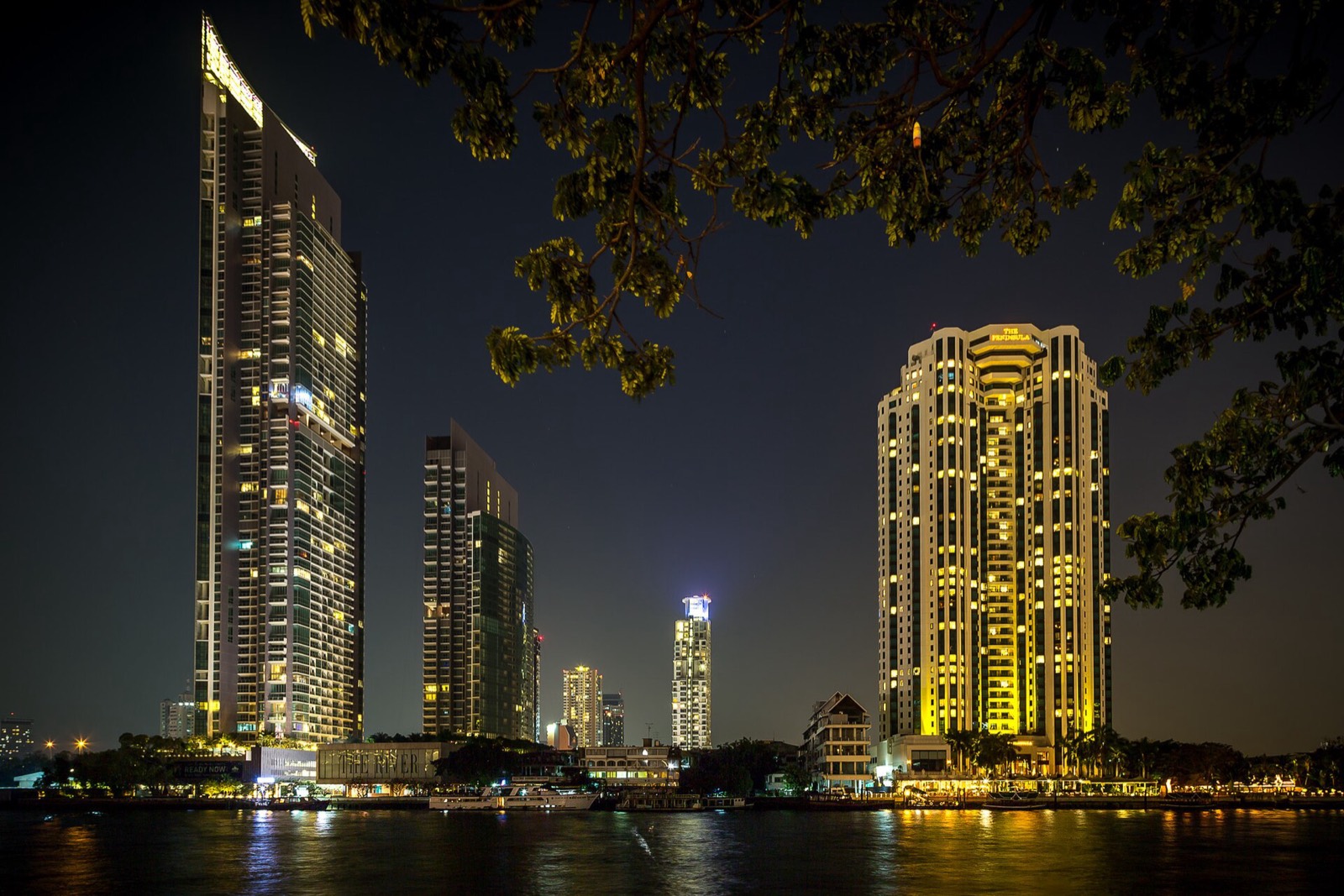

Thailand has a habit of making people reconsider their plans. You arrive intending to spend two weeks exploring Bangkok, perhaps with a few days on an island. Then you start imagining a very different life. But while the lifestyle is easy to fall for, immigration eligibility takes a little more work. Enter Thailand's Long-Term Resident visa, commonly known as the LTR.
What exactly is the LTR visa?
Thailand introduced the LTR programme in 2022 to attract qualifying investors, retirees, remote professionals and highly skilled workers. It is run by Thailand's Board of Investment (BOI). The visa is a ten-year framework: an initial five-year permission to stay, followed by a further five years if you still meet the criteria. Unlike a general-purpose long-stay visa, the LTR is aimed at people who meet specific financial, professional or investment criteria. There are four main categories: • Wealthy Global Citizens: applicants with substantial worldwide assets and qualifying investments in Thailand. • Wealthy Pensioners: retirees aged 50 or over with sufficient passive income and, in some cases, an investment. • Work-from-Thailand Professionals: remote employees of established overseas companies. • Highly Skilled Professionals: specialists working in targeted industries or areas of expertise. Each category has its own rules. A good salary or a large bank balance doesn't automatically qualify you for all four.
What are the financial requirements?
The BOI published revised criteria in 2025, changing several categories. In summary: • Wealthy Global Citizens: at least US$1 million in worldwide assets and a qualifying US$500,000 investment in Thailand. The previous personal-income requirement has been removed. • Wealthy Pensioners: passive income of at least US$80,000 a year, or US$40,000 alongside a qualifying investment of at least US$250,000. • Work-from-Thailand Professionals: generally US$80,000 a year in personal income over the past two years, or US$40,000 with additional qualifying credentials. Employer criteria also apply. • Highly Skilled Professionals: income and professional criteria linked to targeted expertise and employment. These are summaries, not complete eligibility tests. Health insurance, or an accepted financial alternative, is also required.
What makes the LTR attractive?
The obvious attraction is the potential ten-year duration. But there are other benefits. The BOI programme includes multiple entries, less frequent immigration reporting and certain work-related privileges. Qualifying Highly Skilled Professionals may also benefit from a 17% personal income tax rate. That tax treatment does not apply automatically to every LTR holder, and the distinction matters enormously when comparing the LTR with other Thai visas.
The catch: you have to stay eligible
The LTR isn't a ten-year blank cheque. The BOI checks eligibility again before the second five-year period. If a required investment has been sold, qualifying insurance has lapsed or another important condition is no longer met, your status may be affected. For remote professionals, employment is especially important. A visa based on a qualifying overseas employer may stop fitting if you leave that employer to start your own business. Families need checking too. The 2025 revisions widened the dependant rules to include eligible parents and removed the previous cap on the number of dependants. Family eligibility still depends on specific conditions, so check each family member individually rather than assuming one approval covers everyone.
LTR vs DTV: which is more practical?
Thailand's Destination Thailand Visa (DTV) is a different proposition. Thailand's Ministry of Foreign Affairs describes it as a five-year multiple-entry visa for qualifying remote workers, freelancers, people taking part in specified activities, and their spouses and children under 20. How they compare: • Visa length: LTR 10 years · DTV 5 years • Who it's for: LTR qualifying investors, retirees and professionals · DTV remote workers and specified activities • Financial test: LTR category-specific, often substantial · DTV its own, lower requirements • Work: LTR depends on the category · DTV limited to permitted activities • Family: LTR specific dependant rules · DTV spouses and children under 20 The DTV may be more accessible for remote workers who don't meet the LTR's employer or income criteria. But visa validity and the length of each permitted stay are not the same thing, so check the entry and extension conditions.
Our view
The LTR is worth serious consideration if you clearly meet one of its categories and expect to keep meeting it. It may be less suitable if your income fluctuates, your employment is uncertain or you simply want to try living in Thailand before making a long-term commitment. Don't choose the longest visa first. Choose the immigration route that matches what you actually do. Explore Thailand's long-stay visa options on SojournHub.
Limitations
This is information, not legal advice. SojournHub may be able to help with a route mentioned here. Approval is never guaranteed.
Corrections
If a sentence is wrong, write to support@sojournhub.io or use the contact page. Name the article and the sentence. A material correction keeps the same address and changes the updated date. Until that correction is published, the article can be returned to draft so it leaves this page.
Contact us