Comparison · Thailand, Malaysia, Singapore, Vietnam, Indonesia, Cambodia
Starting a Business in Southeast Asia: Where Should You Set Up Shop?
Singapore, Malaysia, Thailand, Indonesia, Vietnam or Cambodia? The best place to incorporate isn't always the best place to live.
Read on SojournHubalso on Substack
- Author
- Matthew Silvester
- Reviewed by
- Matthew Silvester
- Published
- 18/11/2026
- Updated
- No substantive update
- Sources checked
- 10/11/2026
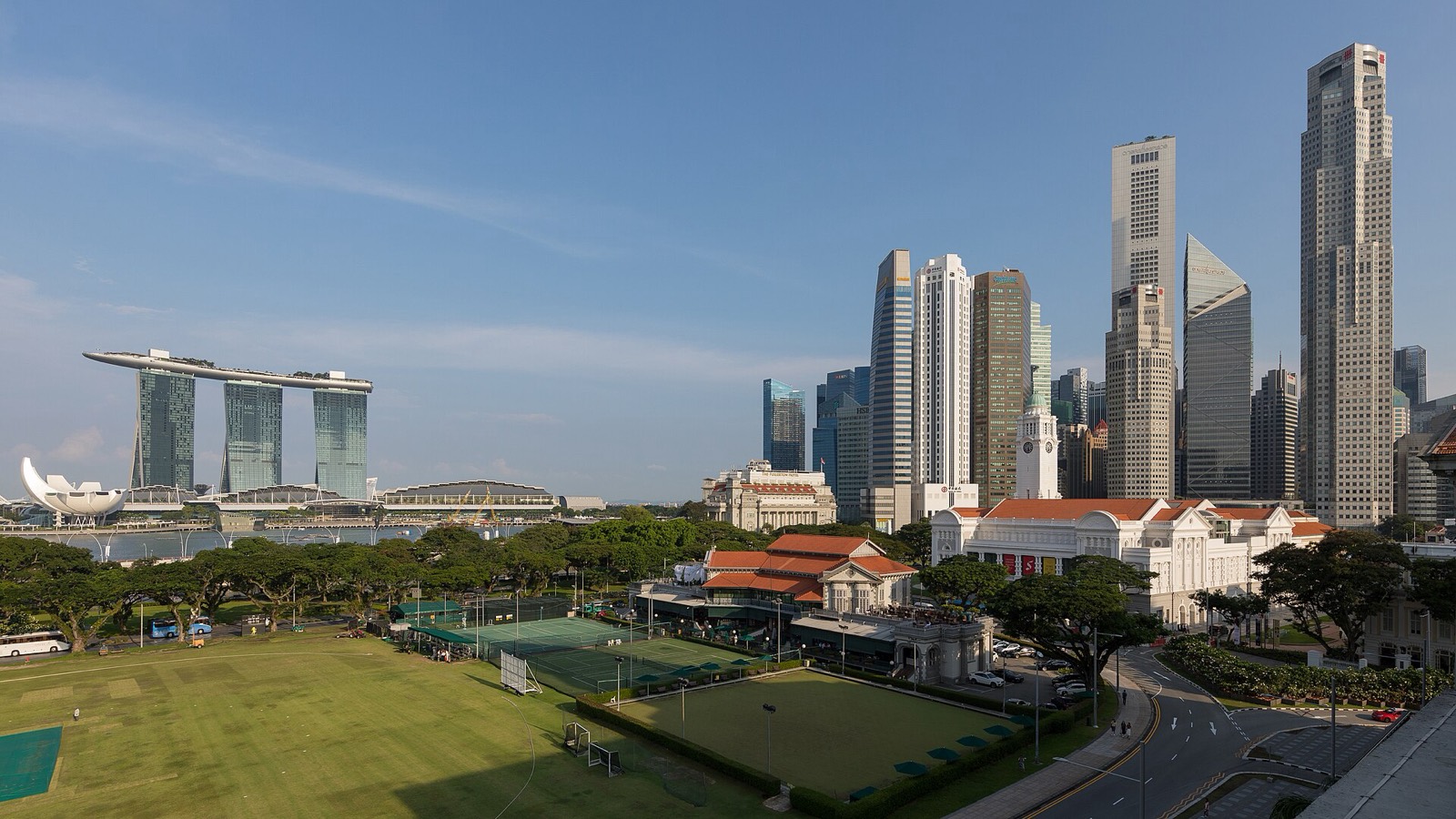

You've got a business idea, a laptop and a growing suspicion that you don't need to run everything from your home country. Perhaps you're launching a technology company. Maybe you provide consulting services, run an online business or want to open a regional office. Southeast Asia offers plenty of possibilities. But there's one mistake worth avoiding from the outset: registering a company and getting the legal right to live and work in that country are two completely different things. Let's explore the options.
Singapore: the headquarters contender
Singapore is a natural place to investigate for an internationally focused company. Company registration is run by ACRA, which sets out clear requirements for foreign founders. But registering a company in Singapore doesn't give you the right to move there. ACRA states that foreign applicants must use a Corporate Service Provider, meet the local-resident director requirement and get an appropriate work pass if they intend to relocate to run the business. Singapore's EntrePass is intended for qualifying innovative or venture-backed businesses, not every ordinary small business. Advantages: an established corporate regulatory environment and dedicated pathways for qualifying entrepreneurs. Disadvantages: local-residency requirements, immigration eligibility and potentially high operating costs. Worth exploring for: technology ventures, internationally focused companies and founders who meet the work-pass criteria.
Malaysia: a practical regional base
Malaysia combines urban centres, access to regional markets and established business infrastructure. Kuala Lumpur is an obvious candidate for a head office, while Penang and Johor offer different opportunities. Foreign founders need to separate company ownership from immigration permission. A company can be properly incorporated without giving its shareholder an automatic right to work in Malaysia. Depending on the activity, the right route might be an Employment Pass or another specifically authorised arrangement. Never assume a long-stay residence visa lets you manage a business or work. Advantages: a range of possible business locations and established commercial infrastructure. Disadvantages: sector-specific ownership conditions, licensing and work-permission requirements can complicate plans. Worth exploring for: service businesses, regional operations and entrepreneurs who want to live in Malaysia.
Thailand: a lifestyle destination with business rules to respect
Thailand's appeal is obvious. Bangkok offers an international business environment, while other locations suit lifestyle-minded founders. But Thailand's immigration and foreign business rules need careful attention. The LTR programme has specific pathways for qualifying professionals and investors, but it isn't a universal business-owner visa. Someone who owns a company overseas and works remotely has different requirements from someone actively running a Thai company. Advantages: a variety of business locations and specific programmes for eligible professionals. Disadvantages: foreign ownership restrictions and work-permission requirements may shape the business structure. Worth exploring for: founders with a clearly defined Thai business model, or qualifying international employment.
Indonesia, Vietnam and Cambodia: start with the business model
Indonesia deserves consideration if the business genuinely needs to operate in the Indonesian market. Foreign investment arrangements, company structures and licensing all need careful assessment. A remote-work permit is no substitute for permission to do business locally: Indonesia's Directorate General of Immigration states that the E33G remote-worker visa does not allow work for, or pay from, Indonesian individuals or companies. Vietnam is worth investigating for entrepreneurs whose business involves manufacturing, services, technology or local market access. Company registration, investment and immigration requirements need to be weighed together. It's unwise to choose a country purely on an attractive corporate tax headline: a business also needs practical access to banking, staff, premises and lawful management arrangements. Cambodia may be relevant for certain trading, service and investment activities. Founders should check company registration, sector restrictions, tax, labour rules and immigration permissions before going ahead. An apparently simple incorporation is only one part of running a compliant business.
What about tax?
Tax is often the first question entrepreneurs ask. But a company registered in one country isn't necessarily taxed only there. Where the company is managed and controlled, permanent establishment rules, where the work is done and the founder's personal tax residence can all matter. Singapore's tax authority, IRAS, for example, applies specific tests for individual tax residency, including a 183-day rule in some circumstances. Cross-border structures need proper professional advice.
So, where should you start?
Depending on your business, these are the places we'd research first: • Venture-backed technology start-up: Singapore • Regional service business: Malaysia, Singapore • Business serving the Thai market: Thailand • Expanding into Indonesia: Indonesia • Manufacturing or locally staffed operations: Vietnam, Malaysia, Thailand • Exploring emerging markets: Cambodia, Vietnam These are research starting points, not guarantees of eligibility or profit. The most important decision is where the business genuinely needs to operate. Then work backwards through company formation, tax, banking and immigration. Build the right company first. Make sure you can legally run it second. Only then start choosing your new office view. SojournHub can help you explore the immigration pathways relevant to your move. Get company incorporation and tax advice from appropriately qualified professionals.
Limitations
This is information, not legal advice. SojournHub may be able to help with a route mentioned here. Approval is never guaranteed.
Corrections
If a sentence is wrong, write to support@sojournhub.io or use the contact page. Name the article and the sentence. A material correction keeps the same address and changes the updated date. Until that correction is published, the article can be returned to draft so it leaves this page.