Guide · Thailand, Malaysia, Singapore
Retiring in Southeast Asia: Where Is Your Money Safest?
The sunshine is tempting, but protecting your retirement savings deserves as much attention as choosing the perfect beachfront apartment.
Read on SojournHubalso on Substack
- Author
- Matthew Silvester
- Reviewed by
- Matthew Silvester
- Published
- 15/11/2026
- Updated
- No substantive update
- Sources checked
- 10/11/2026
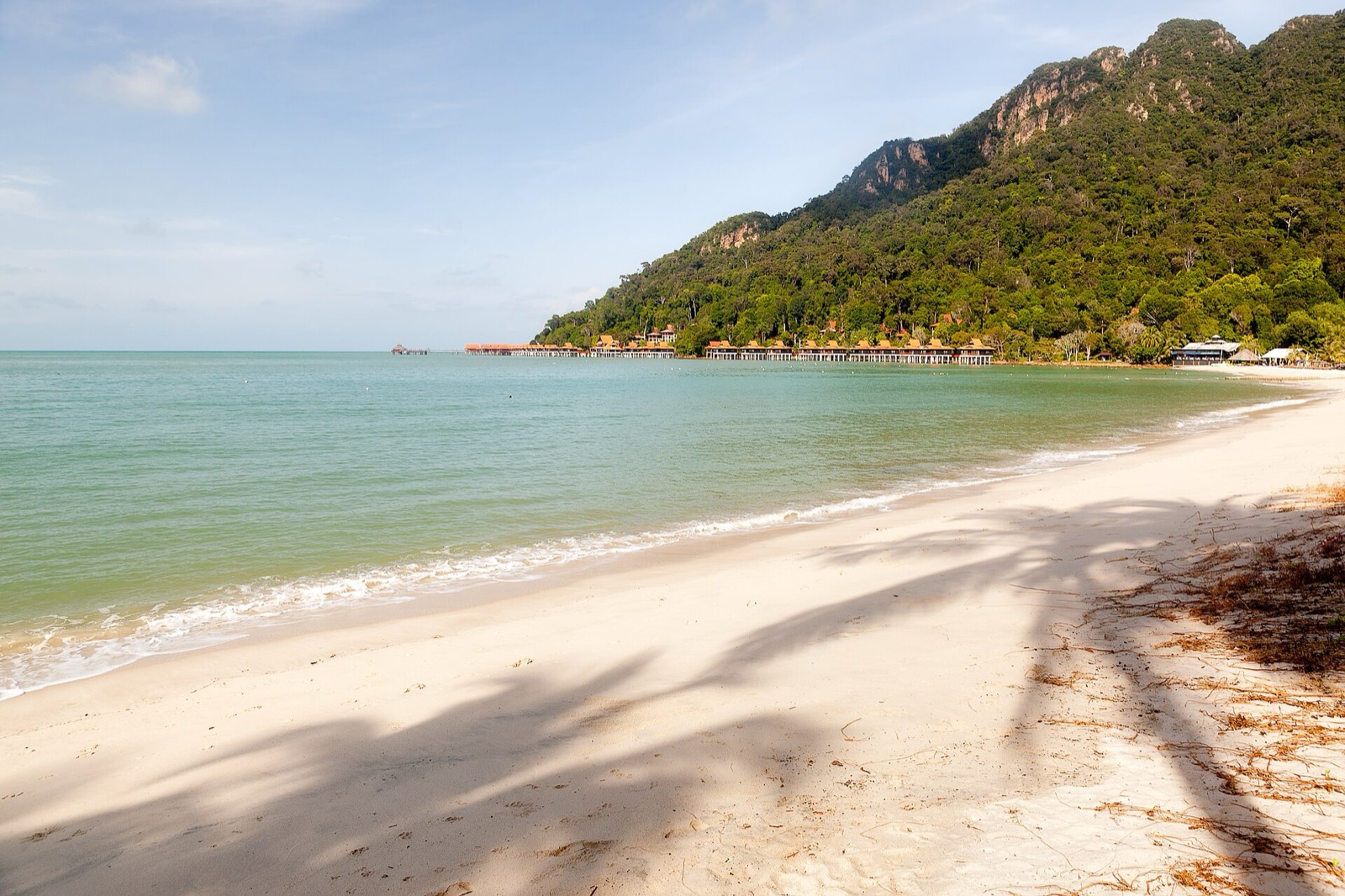

Retirement abroad sounds wonderful. Swap the commute for a morning swim. Replace the winter heating bills with tropical sunshine. Spend more time doing what you enjoy. But before booking a one-way flight, there's an important financial question: where should you actually keep your money? It's tempting to assume that if you're retiring in Thailand or Malaysia, your savings should move there too. Not necessarily. Where you live and where you bank can be two separate decisions.
Singapore: understand the deposit protection
Singapore is often considered by internationally mobile people looking for a banking base. But rather than relying on reputation alone, start with the official protection available. The Singapore Deposit Insurance Corporation (SDIC) protects up to S$100,000 per depositor per scheme member for eligible Singapore-dollar deposits. This generally covers eligible savings, current and fixed-deposit accounts. Crucially, foreign-currency deposits are not covered by the scheme. If you hold US$500,000 in a Singapore bank, don't assume the whole balance is protected. The bank, the account type, the currency and the insurance rules all matter.
Malaysia: a different protection framework
Malaysia has its own deposit insurance system, run by Perbadanan Insurans Deposit Malaysia (PIDM). Eligible deposits are protected up to RM250,000 per depositor per member bank. PIDM states that eligible deposits can include savings accounts, current accounts, fixed deposits and foreign-currency deposits. Importantly, protection is counted per member bank, not per account or branch. Opening five ordinary accounts at the same bank doesn't multiply your cover fivefold. Malaysia also has separate protection limits for eligible conventional and Islamic deposits.
What if you're moving under MM2H?
Malaysia's federal MM2H programme requires substantial fixed deposits. The published minimum is US$150,000 for Silver, US$500,000 for Gold and US$1 million for Platinum. Those balances can be far larger than Malaysia's standard deposit insurance limit. That's an important distinction: a deposit the visa requires is not necessarily fully protected by government deposit insurance. Applicants should ask where the funds will be held, what protection applies and whether the arrangement allows the money to be spread out.
Home-country accounts and currency risk
For some retirees, keeping accounts in their original country makes sense. Pensions, investments and existing banking relationships can be easier to manage without moving everything overseas. But that raises its own questions. Can you still use the accounts once you're non-resident? Will the bank keep serving you? How will currency conversions affect your spending? Resolve these before you move. Then there's currency risk. Imagine retiring with savings in pounds sterling while your rent and groceries are paid in Malaysian ringgit. If the exchange rate moves against you, your lifestyle costs more in sterling terms, even if Malaysian prices don't change. The same applies to euros, US dollars and other currencies. One approach is to hold funds in more than one currency, based on what you'll need to spend. But that brings its own costs and doesn't remove investment or exchange-rate risk.
Thailand, Vietnam, Cambodia and Indonesia
Each country has its own banking regulations, institutions and deposit protection arrangements. Rather than declaring one country the safest, compare the actual banks and products available to you. A sensible checklist: • The bank's regulatory status. • Whether the deposit qualifies for statutory protection. • The maximum protected balance. • Whether foreign-currency deposits qualify. • How international transfers and withdrawals work. • Whether accounts are open to foreign residents. • Your tax reporting obligations. A country's reputation alone isn't enough evidence that a particular deposit is safe.
Our takeaway
Retirement planning also involves immigration. Thailand offers retirement visa categories and a Wealthy Pensioner route under its LTR programme. Malaysia's MM2H programme offers longer-term residence with fixed-deposit and property requirements. These place different demands on your savings. The most attractive visa isn't necessarily the one with the lowest application fee. It's the one that leaves you financially comfortable after meeting its requirements. For someone retiring in Southeast Asia, the best starting point is usually to separate three decisions: where do you want to live, where should your money be held, and which visa lets you stay? They don't have to produce the same answer. Protect your financial flexibility, understand the limits of deposit insurance, and get regulated financial and tax advice before moving large sums. Retirement should be about enjoying your money, not worrying about where it's gone. Explore retirement and long-stay visa options on SojournHub.
Limitations
This is information, not legal advice. SojournHub may be able to help with a route mentioned here. Approval is never guaranteed.
Corrections
If a sentence is wrong, write to support@sojournhub.io or use the contact page. Name the article and the sentence. A material correction keeps the same address and changes the updated date. Until that correction is published, the article can be returned to draft so it leaves this page.
Contact us