Commentary · Thailand, Malaysia, Vietnam, Indonesia, Cambodia
Raising Children in Southeast Asia: Paradise, Practicality and the Occasional Meltdown
Malaysia, Thailand, Vietnam, Cambodia or Indonesia? Here's what family relocation looks like when the holiday ends and normal life begins.
Read on SojournHubalso on Substack
- Author
- Matthew Silvester
- Reviewed by
- Matthew Silvester
- Published
- 12/11/2026
- Updated
- No substantive update
- Sources checked
- 10/11/2026
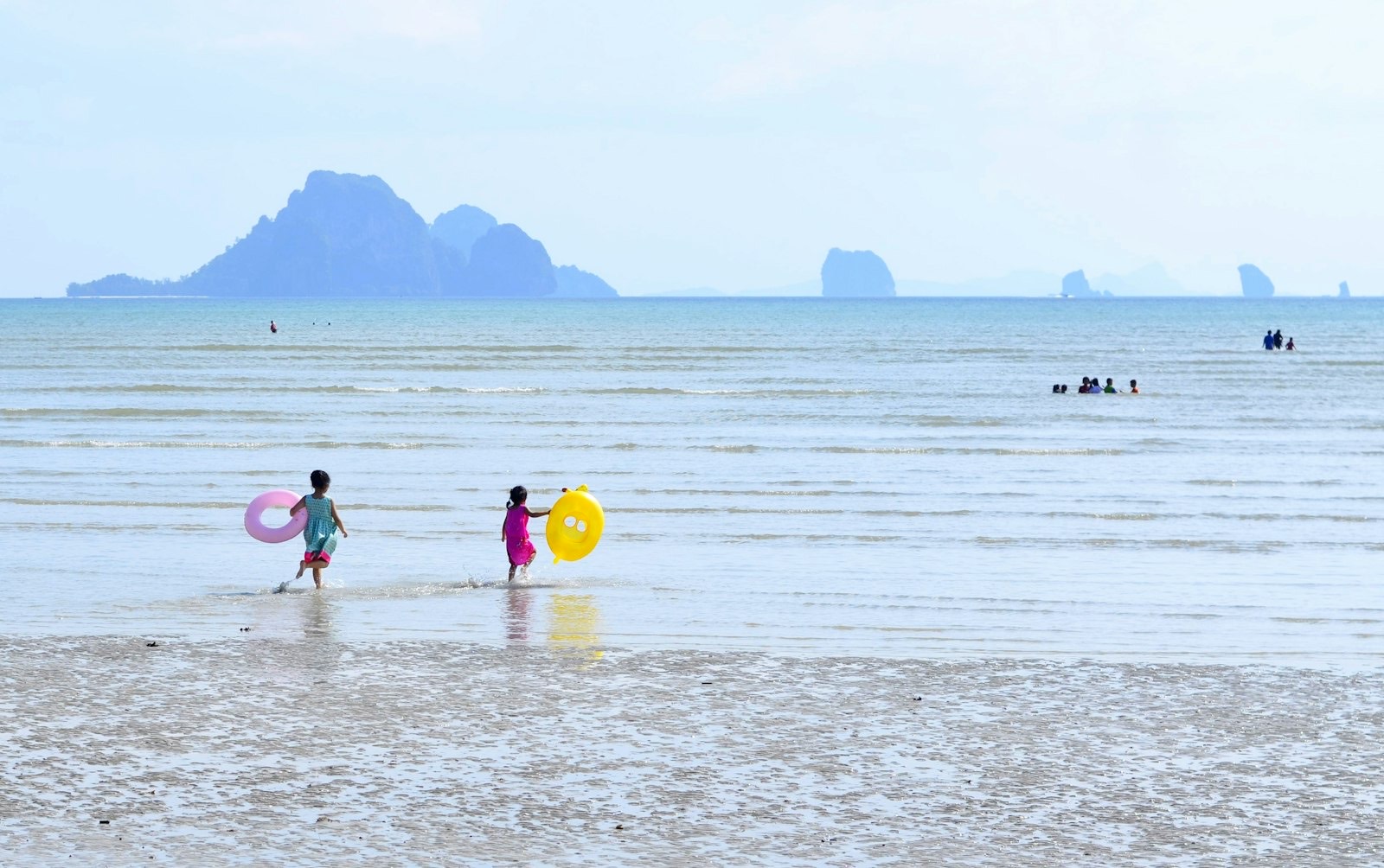
There's a romantic version of moving to Southeast Asia with children. Morning swims. Tropical beaches. Fresh fruit for breakfast. Weekends exploring somewhere beautiful. Then there's the everyday version. School runs. Lost shoes. Medical appointments. Homework. Grocery shopping. And children who somehow still complain that they're bored. Family life doesn't disappear when you relocate. It simply happens somewhere new. So how do the main destinations compare?
Malaysia: a practical place to build routines
Malaysia deserves attention from families who want a balance between international living and everyday convenience. Kuala Lumpur is a large city, while Penang combines coastal living, heritage and city facilities. For families, international schools and clear immigration pathways can be important. Malaysia's Immigration Department has formal Student Pass and guardian arrangements for qualifying families, although a guardian on that route cannot work or run a business. So the family's money and work plans need to fit the chosen immigration route. The upside: a range of family-friendly locations and schools. The consideration: long-term visas may involve big financial commitments, while student-based arrangements can stop a parent from working.
Thailand: variety is the big attraction
Thailand offers remarkably different places to live. Bangkok suits families who enjoy a major international city. Chiang Mai is another urban option, while Phuket and the coast appeal to those who want to be near the sea. But families need to match their location with suitable schools, healthcare and a lawful basis to stay. Thailand has several visa categories, each with its own rules for family members. A five-year visa held by one parent doesn't necessarily answer every question about a spouse's right to work or a child's schooling. The upside: lifestyle variety and several immigration pathways. The consideration: family permissions and work rights depend on the particular visa.
Vietnam and Indonesia
Vietnam can appeal to families wanting a busy city or a coastal base. Ho Chi Minh City and Hanoi feel very different from Da Nang. Choosing between them should involve more than lifestyle photos: think about schools, the daily commute, healthcare and the residence permission each family member needs. A place that works brilliantly for two adults may be less convenient once school timetables and children's activities enter the picture. Bali is understandably appealing, but a pleasant holiday villa isn't necessarily a practical long-term home. Before committing, check the distance to school, local healthcare, transport and your legal basis for staying in Indonesia. Remote-working parents should pay particular attention: the E33G visa is for people employed by companies outside Indonesia and does not allow work for Indonesian clients or businesses. The upside: distinctive city and island living. The consideration: infrastructure and immigration arrangements may need careful planning.
Cambodia: a different pace
Cambodia offers possibilities for families interested in Phnom Penh, Siem Reap or elsewhere. But it's especially important to assess the specific location: good schools, healthcare and everyday facilities are not spread evenly. For families with younger children, or with specific medical or educational needs, these practical points should come before the appeal of lower living costs.
The real cost of raising children
It's easy to compare apartment rents. It's harder to compare whole family budgets. A realistic monthly budget includes housing, utilities, transport, groceries, healthcare, insurance, school fees, childcare and activities. Then add yearly costs such as school deposits, flights home, visa renewals and unexpected travel. The cheapest apartment isn't always the cheapest place to live. One family might save on rent but spend more on school transport and private healthcare. Another might pay more for housing but cut daily travel and childcare.
The biggest mistake families make
It's choosing a country based entirely on the adults' preferences. Children need routines, friendships, education and a sense of belonging. That doesn't mean they won't adapt; many families find moving abroad enormously rewarding. But the transition deserves proper planning. If you can, visit your preferred destination during an ordinary school week. Look at residential neighbourhoods, not just tourist areas. Visit schools, check healthcare facilities and try the daily journey between home and school.
Our takeaway
Malaysia, Thailand, Vietnam, Indonesia and Cambodia can all offer appealing lifestyles. The right choice depends on your family's needs, income, immigration eligibility and appetite for change. A successful family relocation isn't about creating a permanent holiday. It's about creating a normal life that happens to be somewhere extraordinary. Explore family visa options, dependant eligibility and relocation pathways on SojournHub.
Limitations
This is information, not legal advice. SojournHub may be able to help with a route mentioned here. Approval is never guaranteed.
Corrections
If a sentence is wrong, write to support@sojournhub.io or use the contact page. Name the article and the sentence. A material correction keeps the same address and changes the updated date. Until that correction is published, the article can be returned to draft so it leaves this page.